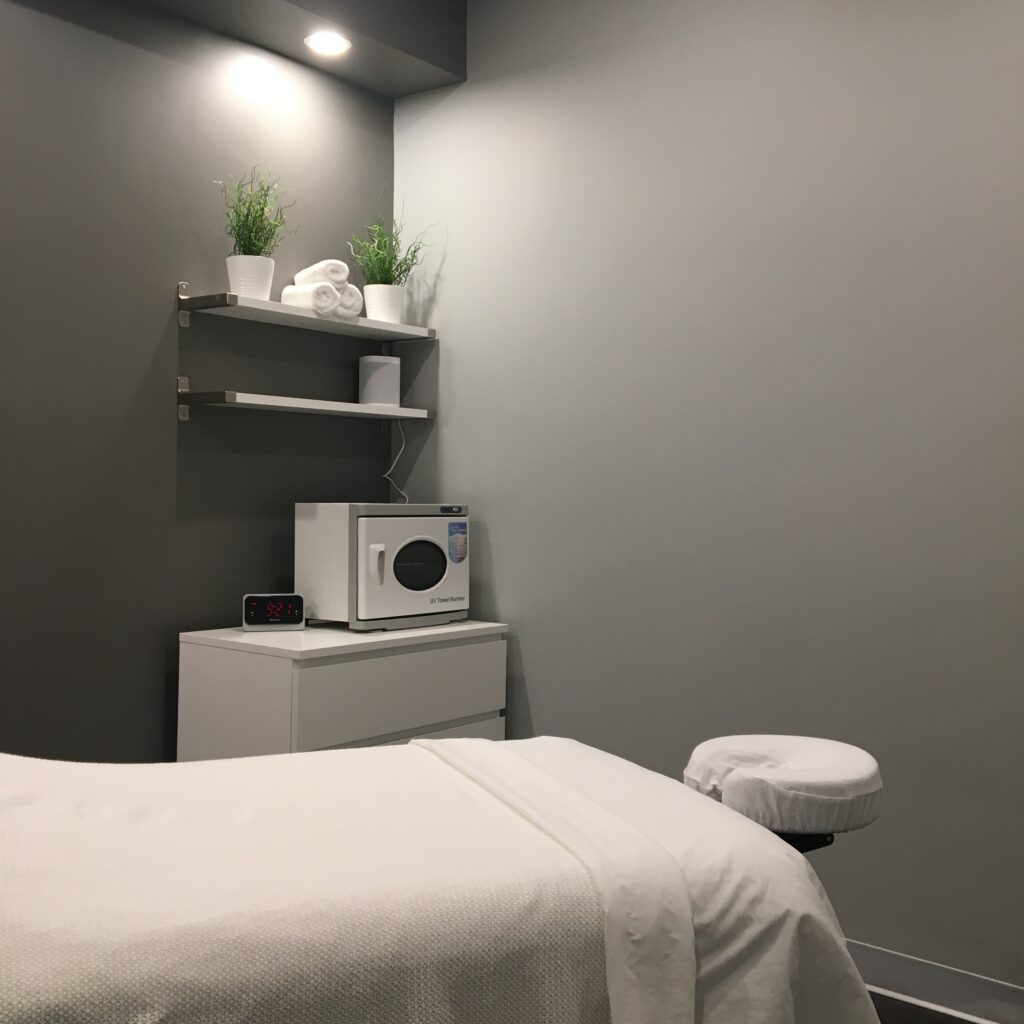
Between long work hours, screen time, commutes, and the demands of daily life, most adults in Airdrie are carrying more physical tension than they realize. The problem is that the signs are easy to overlook until they become hard to ignore.
Massage therapy is not just a luxury reserved for special occasions. It is a practical, evidence-informed approach to keeping your body functioning well, your stress levels manageable, and your quality of life high.
Here are seven signs that your body may be telling you it is time to book a massage therapy session in Airdrie.
- You Have Persistent Muscle Tension or Stiffness
If your neck, shoulders, or lower back feel tight most of the time not from an injury, but just from daily life that is chronic muscle tension. Prolonged sitting, repetitive movements, and even stress cause muscles to contract and hold that tension over time.
Massage therapy works directly on the soft tissue to release this built-up tightness. Many people notice that areas they had stopped thinking about as a problem suddenly feel noticeably looser and more comfortable after a session.
Key areas to pay attention to:
- Tightness across the upper back and shoulders after desk work
- Lower back stiffness that builds through the day
- A neck that feels locked or restricted when you turn your head
- Your Stress Feels Physical, Not Just Mental
Stress does not stay in your head. It accumulates in your body in your jaw, your shoulders, your chest, and your digestive system. You might notice you are clenching your teeth, holding your breath, or carrying your shoulders up around your ears without realizing it.
Massage therapy activates the parasympathetic nervous system the part responsible for rest and recovery. A focused massage session can lower cortisol levels, reduce heart rate, and give your body a genuine opportunity to come down from a heightened stress state.
If you finish most days feeling physically wound up, that is a meaningful signal worth addressing.
- You Are Getting Frequent Tension Headaches
Tension headaches are one of the most common complaints among working adults, and they are frequently connected to tightness in the neck, upper back, and shoulders. When the muscles in these areas are chronically contracted, they can refer pain upward into the head.
Massage therapy that focuses on the neck, suboccipital muscles (at the base of the skull), and upper shoulders can significantly reduce the frequency and intensity of tension headaches for many people. If you find yourself reaching for pain relievers regularly, it may be worth exploring what is contributing to those headaches at a muscular level.
- You Notice Your Posture Has Shifted
Spending hours seated at a desk, in a car, or on a couch gradually pulls the body out of its natural alignment. Rounded shoulders, a forward head position, and a flattened lower back are all common patterns that develop over time.
Massage therapy helps address the muscle imbalances that drive poor posture. Tight muscles that are pulling your body forward can be loosened, which makes it easier for your body to return to a more balanced position. Paired with awareness and movement, this can make a real difference in how you hold yourself throughout the day.
- You Are Sleeping Poorly or Waking Unrefreshed
Sleep problems have many causes, but physical discomfort and a nervous system that cannot fully unwind are common contributors. If you are lying awake due to restlessness, waking up stiff, or not feeling rested despite adequate sleep hours, your body may not be recovering the way it should.
Massage therapy supports better sleep by reducing physical tension and promoting the kind of relaxation that makes it easier to fall asleep and stay asleep. Many clients report that their sleep quality noticeably improves in the days following a session.
- You Are Recovering Slowly from Exercise or Physical Activity
Whether you are active at the gym, playing recreational sports, or doing physical work, muscle soreness and fatigue are part of the process. But if recovery is taking longer than expected, or if you are feeling consistently run down, it can affect both your performance and your motivation.
Massage therapy supports recovery by improving circulation, reducing delayed onset muscle soreness (DOMS), and helping muscles return to their resting length more efficiently. Many people in Airdrie who lead active lifestyles incorporate regular massage as part of how they take care of their bodies not just when something hurts, but as ongoing maintenance.
- You Have Not Had a Massage in a Long Time — or Ever
Sometimes the sign is simply that it has been a while. If you cannot remember the last time you did something intentional for your physical wellbeing not to fix a problem, but just to maintain it that is worth noting.
Many adults in Airdrie wait until something is painful or limiting before seeking support. A proactive approach, where you address tension and stress before they build into something more disruptive, tends to produce better results and is more comfortable from start to finish.
If any of the signs above sound familiar, regular massage therapy may be worth building into your routine.
What to Expect from Massage Therapy in Airdrie
A massage therapy session in Airdrie typically begins with a brief intake conversation where you discuss any areas of concern, recent physical activity, and your goals for the session. Your therapist will use this information to tailor the session to what your body needs that day.
Depending on your goals, you might receive:
- Swedish massage for general relaxation and circulation
- Deep tissue work for chronic muscle tension
- Trigger point therapy for specific areas of tightness or referred pain
- Myofascial release for postural and movement-related concerns
Sessions typically run 60 or 90 minutes. Afterward, it is common to feel noticeably looser, calmer, and more at ease in your body. Mild soreness in treated areas can occur and usually resolves within a day or two.
How Often Should You Get a Massage?
There is no single answer that applies to everyone. The right frequency depends on your lifestyle, the level of tension or stress you are managing, and your personal goals. Some general patterns that many people find useful:
- Monthly sessions for general wellness and maintenance
- Every two to three weeks if you are managing ongoing muscle tension or a physically demanding job
- Weekly initially if you are addressing a specific concern and want to see faster progress
Your massage therapist can help you think through what makes sense for your situation once they have a sense of how your body responds.
Ready to Feel the Difference?
If you recognized yourself in any of these signs, massage therapy in Airdrie could make a meaningful difference in how you feel day to day. Whether you are dealing with muscle tension, stress, poor sleep, or simply overdue for some focused recovery time, a session is a practical step toward feeling better.
Book your appointment today and give your body the attention it has been asking for.