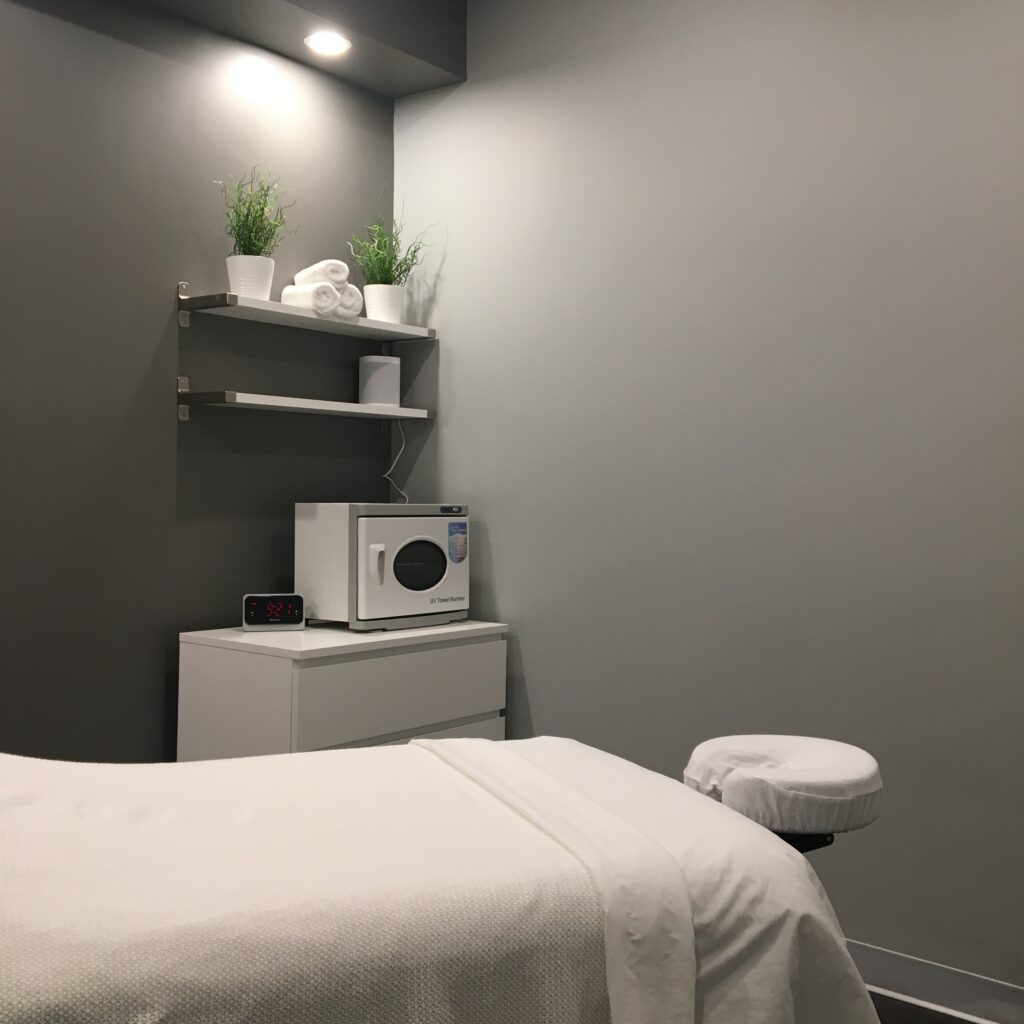
If you have ever tried to book a massage and found yourself staring at the options wondering what the difference actually is, you are not alone. Swedish vs deep tissue massage Airdrie is one of the most common questions the team at Massage Experts Airdrie hears from new and returning clients alike. Both are popular, both feel good in their own way, and both have real benefits. But they are not the same thing, and choosing the wrong one can mean you walk out feeling less than you hoped for.
This guide breaks down exactly what each massage involves, who it is best suited for, and how to decide which one fits what your body needs right now. By the end, you will have a clear picture of where you stand and what to ask for at your next appointment.
What Is Swedish Massage?
Swedish massage is the most widely known style of massage therapy in the world, and for good reason. It is the foundation that most other massage styles are built on. The session focuses on the surface layers of muscle using a set of flowing, rhythmic strokes that work with the direction of blood flow back toward the heart.
The overall feel is smooth and continuous. A therapist might use long gliding strokes across the back, gentle kneading of the shoulders, small circular movements on tight spots, and light tapping or rhythmic pressure along the limbs. The pace is generally unhurried, and the pressure stays in a comfortable range throughout.
The goal of Swedish massage is to help the body let go of accumulated tension, calm the nervous system, and leave the client feeling genuinely relaxed rather than worked over. It is not about breaking anything down or targeting specific problem areas deep in the muscle. It is about creating an overall state of ease.
Swedish massage benefits include better sleep, reduced anxiety, improved circulation, lower levels of muscle tension from everyday stress, and a general sense of calm that can last for days after the session. Many people find it is one of the most effective tools they have for managing the mental and physical weight of a busy life.
Learn more about unwinding with our relaxation massage Airdrie services.
What Is Deep Tissue Massage?
Deep tissue massage uses many of the same basic strokes as Swedish massage, but the intention and the pressure are very different. Instead of working across the surface of the muscle to create relaxation, deep tissue work targets the deeper layers of muscle and the connective tissue surrounding them.
The therapist uses slower, more deliberate strokes and sustained pressure to reach areas where tension has built up over time and become stuck. This might be a knot in the upper back that has been there for months, chronic tightness in the hips from sitting too long, or stubborn tension in the calves from a lot of running or standing.
Because the work is going deeper, deep tissue massage can feel more intense than Swedish. There may be moments of discomfort when the therapist is working through a particularly tight area. This is normal and is generally described as a useful kind of pressure rather than sharp pain. A good therapist will always check in and adjust the pressure based on your feedback.
Deep tissue massage Airdrie at Massage Experts is used to address a range of specific concerns including chronic muscle tension, postural imbalances, recovery from physical activity, and pain that has persisted despite other forms of treatment. It requires more from the body and often leaves clients feeling a little tired or tender the following day, which is a normal part of the recovery process.
Swedish vs Deep Tissue: The Key Differences
Understanding the distinction between the two becomes much clearer when you look at them side by side.
Pressure level: Swedish uses light to moderate pressure that feels comfortable and soothing throughout. Deep tissue uses moderate to firm pressure that goes further into the muscle and may feel intense at times.
Pace: Swedish strokes are flowing and rhythmic, covering broad areas of the body. Deep tissue work is slower and more focused, spending more time on specific spots.
Goal: Swedish massage aims to relax the whole body and calm the mind. Deep tissue aims to release specific areas of deep-seated tension and address structural or muscular issues.
Feel during the session: Swedish feels consistently pleasant. Deep tissue can feel challenging in certain areas but rewarding overall.
Feel after the session: After Swedish massage, most people feel immediately relaxed and often sleep well that night. After deep tissue, some people feel a little sore the next day, similar to the feeling after a good workout, before noticing longer-lasting relief.
Best suited for: Swedish massage is best for stress, anxiety, general tension, poor sleep, and anyone new to massage. Deep tissue is best for chronic pain, muscle tightness with a specific location, recovery from sport or physical work, and postural issues.
When to Choose Swedish Massage
Swedish massage is the right choice in more situations than people often realize. It is not just for people who want a gentle experience. It is genuinely the most effective option for a wide range of common concerns.
You Are Dealing with Stress or Anxiety
If the main reason you need a massage is that life has been relentless and your body is carrying the weight of it, Swedish massage is the better fit. The slow, rhythmic strokes send a clear signal to the nervous system that it is safe to relax. Over the course of a session, the body moves from a state of high alert into a much quieter, more settled place. This effect is hard to achieve with firmer work because deep tissue pressure can actually keep the nervous system slightly activated rather than calming it down.
You Are Not Sleeping Well
Poor sleep is often linked to a nervous system that cannot fully wind down at night. Swedish massage helps reset that pattern by giving the body a prolonged experience of deep relaxation during the session, which carries over into better quality sleep in the nights that follow. Many clients report that a Swedish session in the late afternoon or evening leads to some of the best sleep they have had in weeks.
You Are New to Massage
If you have never had a massage before or have not had one in a long time, starting with Swedish massage is almost always the better choice. It gives your body a chance to get used to therapeutic touch without the intensity of deeper work. You will still come away feeling noticeably better, and your therapist will get a sense of how your body responds before recommending something more targeted.
You Want to Maintain Overall Wellness
Not every massage needs to solve a problem. Regular Swedish massage as part of a general wellness routine helps keep the body in a good baseline state, reduces the build-up of everyday tension before it becomes a chronic issue, and supports both physical and mental health over time. A monthly session can make a real difference to how you feel on a daily basis.
Explore how relaxation massage Airdrie at Massage Experts supports ongoing wellness.
When to Choose Deep Tissue Massage
Deep tissue massage earns its place when there is something specific going on that lighter work simply cannot reach. It is the right choice in the following situations.
You Have Chronic Muscle Tension
If you have had tightness in a particular area for weeks or months, that tension has likely worked its way into the deeper layers of the muscle. A Swedish session might soften the surface and feel good in the moment, but the underlying restriction will still be there. Deep tissue work is designed to reach that deeper layer and begin releasing it in a meaningful way.
Common spots where people carry chronic tension include the upper back and neck from desk work or driving, the lower back from prolonged sitting or physical labour, the hips from long hours in a chair, and the calves and feet from a lot of standing or running.
You Are Managing a Recurring Injury or Pain
When pain keeps coming back in the same place, it is often because there is a pattern of tension or restriction in the surrounding tissue that has not been properly addressed. Deep tissue massage can help interrupt that pattern by releasing the tight areas, improving blood flow to the affected tissue, and encouraging better movement through the region.
This is not a replacement for medical care, but it works very well alongside other treatments. Many clients at Massage Experts combine deep tissue massage Airdrie with physiotherapy or chiropractic care as part of a broader recovery plan.
You Are an Active Person or Athlete
People who train regularly, play sports, or do physical work for a living put their muscles under consistent load. Over time that load creates micro-tension in the deeper muscle layers that lighter massage cannot fully address. Deep tissue work helps flush out that built-up tension, improve flexibility, and reduce the risk of injury by keeping the muscles in better condition between training sessions.
You Want Results That Last
Swedish massage produces real and lasting relaxation, but if you are dealing with structural tightness or postural imbalances, you need something that goes deeper to create lasting change. Deep tissue work done consistently over several sessions can genuinely shift patterns that have been in place for years, reducing pain and improving the way the body moves.
Find out more about targeted treatment through our deep tissue massage services.
Gentle vs Firm Massage: A Common Source of Confusion
A lot of people assume that gentle vs firm massage simply comes down to personal preference, the way some people like a hot shower and others like a cold one. In reality, the choice between gentle and firm pressure should be guided by what your body needs rather than just what feels most comfortable in the moment.
Firm pressure is not inherently better just because it feels like more is being done. And gentle pressure is not a lesser version of massage. Each approach targets different things.
Gentle pressure works on the surface layers of muscle and has the most powerful effect on the nervous system. If your body is in a state of chronic stress, firm pressure can actually make it harder for the nervous system to settle because deep pressure requires the body to stay slightly alert and engaged. Gentle, rhythmic work is the faster route to genuine relaxation.
Firm pressure reaches the deeper tissues that gentle strokes cannot access. If the problem is a knot that has been sitting in your shoulder for three months, gentle work will not shift it. You need sustained, focused pressure to make progress on that kind of tension.
The best therapists understand this distinction and will often use a blend of both within a single session, starting with lighter strokes to warm up the tissue and earn the body’s trust before moving into deeper work where it is needed. This is exactly the approach taken by the team at Massage Experts Airdrie.
Can You Have Both in the Same Session?
Yes, and in many cases it makes sense to. A skilled therapist can combine Swedish and deep tissue techniques within the same appointment based on what different parts of your body need. Your shoulders might need focused deep tissue work while your legs just need some relaxing Swedish strokes. There is no rule that says a session has to be entirely one or the other.
If you come in for a deep tissue appointment and find that one area is particularly sensitive on that day, your therapist can dial back the pressure for that region while continuing with firmer work elsewhere. Communication with your therapist before and during the session is the most important factor in getting the most out of your time on the table.
What to Expect at Massage Experts Airdrie
Whether you choose Swedish, deep tissue, or a combination of both, the experience at Massage Experts Airdrie starts the same way. Your therapist will take a few minutes to understand what brought you in, what you are hoping to get from the session, and whether there are any areas that need particular attention or that should be avoided.
That intake process matters. It means the therapist is not guessing or working from a fixed script but is tailoring the session to you specifically. A therapist who knows that you have been sitting at a desk for ten-hour days all week will approach your neck and shoulders very differently from one who knows you are coming in for general relaxation after a holiday.
After the session, your therapist may offer some suggestions for how often to come back based on what they found and what your goals are. Regular sessions, whether Swedish or deep tissue, produce noticeably better results than occasional one-off visits.
Book your next session through our Airdrie massage appointment page.
How to Decide Right Now
If you are still unsure which to choose, these simple questions can help you decide.
Ask yourself whether the main reason you need a massage is stress, poor sleep, or general tension from a busy life. If yes, Swedish massage is the better fit right now.
Ask yourself whether you have a specific area of your body that has been tight, sore, or painful for more than a few weeks. If yes, deep tissue is likely to serve you better.
Ask yourself whether you are physically active, play sports, or do manual labour and whether your body is carrying the load of that activity. If yes, deep tissue will give you more useful recovery.
Ask yourself whether you are new to massage or have not had one in a long time. If yes, start with Swedish and let your body build up to deeper work.
When in doubt, call or message the team at Massage Experts Airdrie before booking. They are happy to talk through the options and point you in the right direction based on what you describe.
Final Thoughts
Choosing between Swedish and deep tissue massage does not have to be complicated. Swedish massage is your best option when you need to relax, reset, and give your nervous system a break. Deep tissue is your best option when something specific is holding your body back and lighter work is not going to reach it.
Both have a real place in a healthy life, and at Massage Experts Airdrie, both are delivered by experienced therapists who know how to get the most out of whichever approach you choose. The most important step is simply booking and letting the team help you figure out what your body needs from there.
Frequently Asked Questions
1. Is deep tissue massage always painful?
No. Deep tissue massage involves firm pressure and may feel intense in areas where there is significant tension, but it should never feel like sharp or unbearable pain. A good therapist will always check in and adjust based on your feedback. If something feels wrong rather than just challenging, speak up. The goal is useful pressure that the body can work with, not discomfort for its own sake.
2. How long does it take to feel the benefits of deep tissue massage?
Some people notice relief immediately after a session. Others feel a little tender the following day before the benefits set in on day two or three. For chronic tension that has been building over months or years, it typically takes a series of sessions spaced a week or two apart before the deeper changes become fully apparent. Consistency matters more than any single session.
3. Can I get a Swedish massage if I have muscle pain?
Yes. Swedish massage can be very helpful for general muscle pain, especially pain that is linked to stress and tension. If the pain is deep, localized, and has been present for a long time, your therapist may suggest incorporating some deeper work. But Swedish massage is a perfectly valid starting point and will often provide meaningful relief even for clients who come in with some level of pain.
4. How often should I get a massage?
For general wellness and stress management, once a month is a solid baseline for most people. If you are dealing with a specific issue like chronic pain or recovering from an injury, more frequent sessions in the short term will produce faster results. Your therapist at Massage Experts will give you a recommendation at the end of your session based on what they found and what you are hoping to achieve.
5. What should I do after a deep tissue massage?
Drink plenty of water in the hours following a deep tissue session. The work releases tension from the muscle tissue and drinking water helps the body flush out the byproducts of that process. Avoid heavy exercise on the same day, and give yourself time to rest if you can. If you feel some soreness the next day, a warm bath or gentle stretching can help. The soreness is temporary and is a sign that the body is responding to the work.