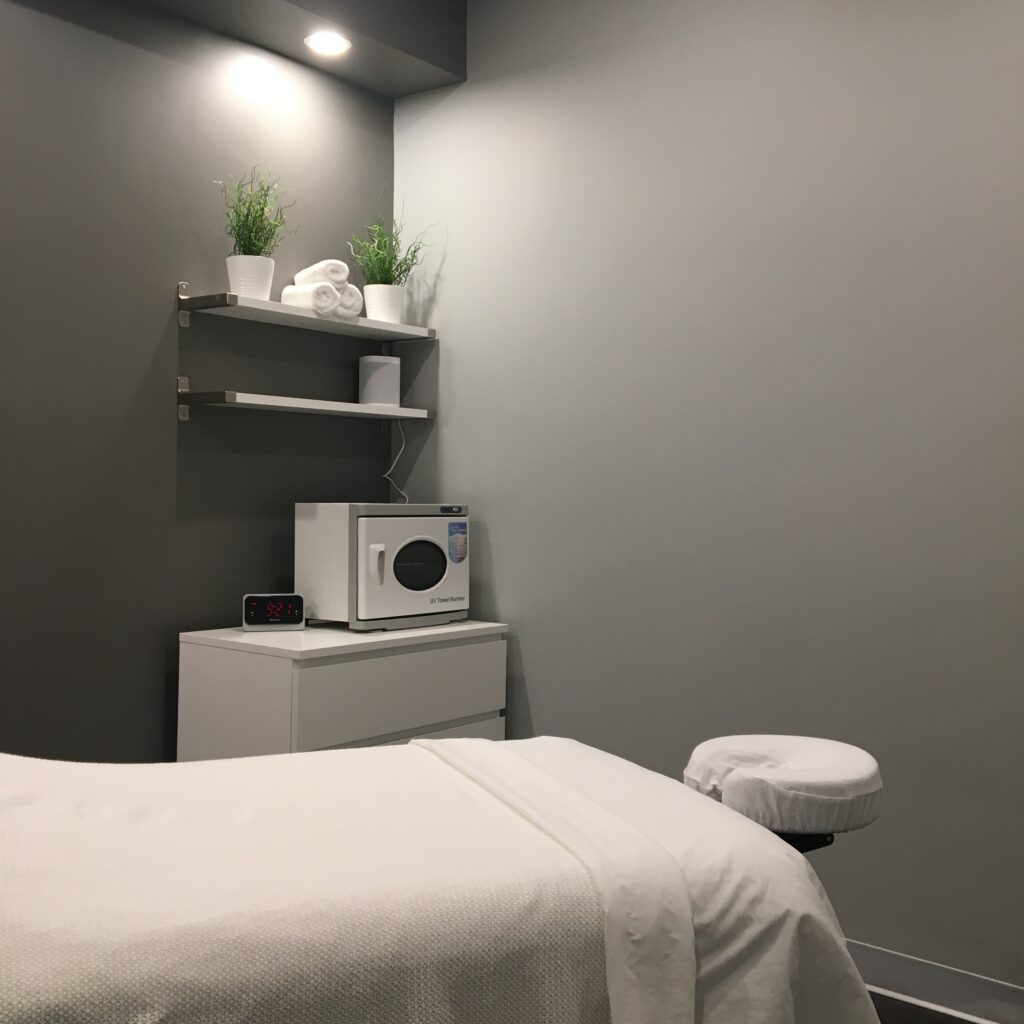
Deep tissue massage Airdrie is one of the most sought-after therapeutic treatments for people dealing with persistent muscle pain, chronic stiffness, and the kind of deep, aching tension that simply does not respond to rest, stretching, or general relaxation massage. If you have been living with chronic back pain, tight shoulders, a persistently stiff neck, or deep muscular tension that returns no matter what you do, this guide is written specifically for you.
Deep tissue massage therapy is not simply a firmer version of a relaxation massage. It is a clinically focused approach that targets the deeper layers of muscle tissue and connective fascia where chronic tension and dysfunction are most often rooted. Understanding exactly how it works, what happens in a session, and what realistic outcomes look like will help you make an informed decision about whether it is the right treatment for your condition and how to get the most from it when you do book.
At Massage Experts Airdrie, our Registered Massage Therapists bring both the clinical training and the hands-on expertise to deliver deep tissue massage that produces real, measurable results for clients managing chronic pain and muscle tension. Here is everything you need to know before your first session.
What Deep Tissue Massage Actually Is — And What It Is Not
There is a significant amount of confusion in the general public about what deep tissue massage therapy actually involves. Many people assume it simply means applying more pressure than a Swedish or relaxation massage. This is an oversimplification that misses the clinical purpose and the specific techniques that define genuine deep tissue work.
Deep tissue massage is a targeted therapeutic modality that uses slow, deliberate strokes, sustained pressure, cross-fibre friction, and specific trigger point techniques to access and treat the deeper layers of skeletal muscle and the fascial sheaths that surround and connect them. The goal is not to create general relaxation though that is often a welcome secondary effect but to address specific areas of muscular dysfunction: chronic hypertonicity, adhesions, scar tissue, trigger points, and restricted fascial mobility.
What deep tissue massage is not:
- It is not simply a hard or painful massage. Appropriate therapeutic pressure should produce a sensation that clients often describe as a “good hurt” a sense of productive pressure that is clearly working on the target tissue, not sharp, acute, or unbearable pain. If a massage is causing genuine pain rather than therapeutic discomfort, the technique or pressure is not correctly calibrated
- It is not the same as sports massage, though the two share techniques. Sports massage is primarily periodised around athletic performance and recovery. Deep tissue massage therapy is focused on resolving chronic muscular dysfunction regardless of athletic context
- It is not a quick fix. Chronic muscular tension that has developed over months or years cannot be fully resolved in a single session. Deep tissue massage works cumulatively, with each session building on the progress of the last
Who Gets Chronic Muscle Pain? Why It Develops and Why It Persists
Understanding why chronic muscle pain develops and why it is so resistant to resolution without targeted treatment helps explain why deep tissue massage therapy is so effective for this population.
Chronic muscle pain and stiffness develops through a small number of well-understood physiological pathways. Recognising which pathway or pathways are driving your own symptoms helps both you and your RMT target treatment most effectively.
Postural overload: The most common driver of chronic muscular pain in the modern population. Sustained postures particularly prolonged sitting, forward head posture at screens, asymmetrical working positions, and extended driving place specific muscle groups under continuous, low-level mechanical load. Over time, these muscles develop chronic hypertonicity: they remain in a state of partial contraction even at rest, consuming energy, restricting blood flow, and generating persistent aching or burning pain.
The muscles most consistently affected by postural overload include the cervical extensors (back of the neck), upper trapezius, levator scapulae, rhomboids, thoracic paraspinals, quadratus lumborum, and hip flexors. If you are experiencing chronic pain in any of these areas, postural overload is almost certainly a contributing factor. Our therapeutic massage services address postural muscle tension comprehensively and are frequently combined with deep tissue work for clients with established chronic patterns.
Repetitive strain: Repetitive occupational or recreational movements lifting, typing, gripping, reaching, overhead work subject specific muscles to repeated mechanical stress without adequate recovery time. Over months and years, this produces microtrauma in the muscle fibres, the development of fibrotic scar tissue within the muscle belly, and the formation of trigger points hyperirritable spots within a muscle that generate local pain and referred pain in predictable patterns.
Previous injury and incomplete recovery: A significant proportion of chronic muscular pain originates in previous injuries muscle tears, sprains, whiplash injuries, fractures that were not fully rehabilitated. The acute injury heals, but the protective guarding patterns, compensatory muscle recruitment, and scar tissue that developed during the acute phase remain long after the structural injury has resolved. These residual patterns then generate ongoing pain and restriction that can persist for years or even decades without targeted treatment.
Stress and psychological tension: The relationship between psychological stress and chronic muscular tension is well established and clinically significant. Stress activates the sympathetic nervous system, increases baseline muscle tone throughout the body, and produces habitual tension-holding patterns particularly in the jaw, neck, shoulders, and lower back. Clients who experience chronic stress often find that their muscular pain worsens during high-stress periods and improves but does not fully resolve when stress decreases. This is because the muscular holding patterns become entrenched over time and require direct physical intervention to release.
The Physiology of Deep Tissue Massage: Why It Works
Deep tissue massage therapy produces its effects through several distinct physiological mechanisms, each of which contributes to pain reduction and functional improvement in different ways.
Trigger point deactivation: Trigger points are localised areas of hyperirritability within a muscle fibre palpable as taut bands or nodules within the muscle belly that generate both local pain and referred pain in characteristic patterns. The masseter, upper trapezius, and infraspinatus muscles, for example, have well-mapped trigger point referral patterns that generate headaches, arm pain, and interscapular pain respectively. Sustained, targeted pressure applied to an active trigger point held until the tissue releases deactivates the neurological activity maintaining the trigger point and reduces the referred pain it generates.
Fascial release and improved mobility: Fascia is the connective tissue network that surrounds, separates, and connects every muscle, organ, and structure in the body. In chronically tense or previously injured tissue, the fascia can become thickened, dehydrated, and adherent restricting the movement of the muscle fibres within and between fascial compartments. Slow, sustained cross-fibre strokes and fascial release techniques applied during deep tissue massage physically remodel the fascial tissue, restoring its normal mobility and allowing the muscles to lengthen and contract through their full range without restriction.
Normalisation of muscle tone through neurological pathways: Beyond the direct mechanical effects on tissue, deep tissue massage works through neurological mechanisms that reduce the resting tone of chronically overactive muscles. Sustained pressure applied to a muscle activates mechanoreceptors within the tissue including Golgi tendon organ-like receptors that send inhibitory signals to the motor neurons supplying that muscle, reducing its baseline contractile activity. This neurological component of muscle tone reduction is one reason why the relief produced by deep tissue massage often feels qualitatively different from and more lasting than the relief produced by stretching alone.
Improved local circulation and metabolic waste clearance: Chronically hypertonic muscles have reduced local blood flow both because sustained muscular contraction compresses the small blood vessels supplying the tissue, and because the thickened, restricted fascia impedes normal tissue fluid dynamics. This reduced circulation means that metabolic waste products including lactic acid and inflammatory mediators accumulate in the tissue, contributing to the aching, heavy quality of chronic muscular pain. Deep tissue massage mechanically increases blood and lymphatic flow through the treated area, clearing these waste products and restoring the normal delivery of oxygen and nutrients to the tissue.
Reduction of central sensitisation: Chronic pain conditions involve a process called central sensitisation a neuroplastic change in the central nervous system whereby pain signals are amplified and the threshold for pain perception is lowered. Persistent peripheral tissue pain drives this process, while effective treatment of the peripheral tissue reduces the nociceptive input that maintains it. By treating the source of chronic muscular pain effectively, deep tissue massage contributes to the gradual normalisation of central pain processing over a course of treatment.
What Happens in a Deep Tissue Massage Session at Massage Experts Airdrie
Every deep tissue massage session at Massage Experts Airdrie begins with a thorough health history and assessment. This is not a formality it is a clinically essential step that allows your RMT to identify the specific muscles and patterns involved in your presentation, rule out any contraindications to deep tissue work, and establish a treatment plan that is genuinely targeted to your needs. For clients coming to us for the first time, our first visit massage process ensures this assessment is thorough and that you understand what to expect before, during, and after your session.
A typical deep tissue session for chronic pain follows this general structure:
Assessment and goal-setting (5–10 minutes): Your RMT will review your health history, discuss your current symptoms in detail location, character, duration, aggravating and relieving factors and establish the specific goals for the session. They will also perform a brief postural and range of motion assessment to identify the key areas of restriction and dysfunction.
Warm-up phase (5–10 minutes): Deep tissue techniques applied to cold, unprepared tissue are both less effective and less comfortable. Your RMT will begin with broader, more superficial strokes effleurage and petrissage to increase tissue temperature, blood flow, and pliability in the target areas. This preparation allows subsequent deep tissue techniques to access the deeper layers more effectively and with less discomfort.
Targeted deep tissue work (30–40 minutes in a 60-minute session): The core of the session involves the application of specific deep tissue techniques to the areas identified in the assessment. This includes:
- Slow, deep effleurage strokes following the muscle fibre direction to assess tissue quality and begin releasing superficial layers
- Cross-fibre friction applied perpendicular to the muscle fibre direction to break down adhesions and restore fascial mobility
- Sustained trigger point pressure held at the point of resistance until the tissue releases and referred pain diminishes
- Stripping techniques — firm, gliding pressure applied along the full length of a muscle belly to elongate chronically shortened fibres and release taut bands
- Myofascial release — sustained, low-load stretching of the fascial tissue to restore normal connective tissue mobility
Integration and closing (5–10 minutes): The session closes with broader, more general strokes that integrate the work done in the targeted areas, normalise nervous system arousal, and allow the tissue to settle into its new, more relaxed state.
Throughout the session, your RMT will check in regularly about pressure and comfort. The appropriate pressure for deep tissue work should produce a clear sense of therapeutic contact with the target tissue a productive, purposeful pressure — without generating sharp pain or defensive guarding. Communication is essential, and our therapists are trained to calibrate their approach continuously based on your feedback and the tissue responses they are feeling.
Deep Tissue Massage for Chronic Back Pain: The Most Common Presentation
Chronic back pain is the single most common reason clients seek deep tissue massage therapy at our Airdrie clinic and it is one of the presentations that responds most consistently and significantly to this modality.
Chronic back pain is rarely a simple, single-structure problem. By the time pain has been present for more than three months — which is the standard clinical threshold for “chronic” it typically involves a combination of muscular dysfunction, fascial restriction, altered movement patterns, and in many cases a degree of central sensitisation. Deep tissue massage addresses the muscular and fascial components of this picture directly and effectively.
The muscles most commonly involved in chronic back pain — and most effectively treated with deep tissue massage — include:
- Quadratus lumborum (QL): The deep muscle connecting the lower ribs to the pelvis and upper femur. Chronic QL tension is one of the most common and frequently missed drivers of lower back pain, hip pain, and pseudo-sciatica. Because of its depth and location, it is only accessible to effective treatment through genuinely deep, targeted technique
- Thoracic and lumbar paraspinals (erector spinae and multifidus): The long muscles running alongside the spine. Chronic overactivity in these muscles generates the sustained, aching quality of postural back pain and can significantly restrict spinal mobility
- Gluteus medius and minimus: Weakness and dysfunction in these hip stabilisers commonly generates referred pain patterns that closely mimic sciatica pain running from the lower back or buttock into the thigh and leg and are a frequent contributor to chronic lower back pain that is often underappreciated
- Iliopsoas: The deep hip flexor that connects the lumbar spine to the femur. Chronically shortened in people who sit for extended periods, a tight iliopsoas alters lumbar spine alignment and increases the compressive load on the lumbar discs and facet joints
Addressing these muscles with targeted, skilled deep tissue technique in the context of a comprehensive treatment plan that also considers the client’s posture, movement habits, and overall muscular balance produces outcomes for chronic back pain that are consistently meaningful and well-supported by clinical evidence.
Combining Deep Tissue Massage With Other Treatments for Better Outcomes
Deep tissue massage therapy produces its best results as part of a broader approach to managing chronic muscular pain — rather than as a standalone intervention used in isolation. Several complementary treatments pair particularly well with deep tissue work and are available at Massage Experts Airdrie.
Cupping therapy uses negative pressure to decompress restricted fascial layers and improve circulation in areas of chronic tightness reaching tissue layers that compression-based massage techniques cannot access as effectively. For clients with significant fascial restriction in the thoracic or lumbar regions, incorporating cupping therapy alongside deep tissue massage frequently accelerates progress and deepens the relief achieved.
Sports massage shares many techniques with deep tissue massage but incorporates additional approaches focused on restoring normal movement patterns and muscular balance. For clients whose chronic pain has a significant component of movement dysfunction or compensatory muscle overuse, sports massage provides a complementary perspective that enhances the outcomes of deep tissue work.
Hot stone massage uses thermotherapy the therapeutic application of heat to relax and prepare deeply tense muscle tissue before and during massage treatment. The penetrating warmth of heated stones allows the RMT to access deeper muscular layers with less mechanical force, making the treatment more comfortable for clients with significant sensitivity while maintaining therapeutic depth. For clients who find the initial stages of deep tissue work uncomfortable due to high baseline tension levels, hot stone massage can be an excellent bridge treatment or adjunct.
Lymphatic drainage supports the systemic clearance of inflammatory mediators and metabolic waste products that accumulate in chronically tense tissue. For clients with a significant inflammatory component to their chronic pain, lymphatic drainage combined with deep tissue massage supports tissue recovery between sessions and helps maintain the gains achieved during treatment. Your RMT will advise on the most appropriate combination of modalities for your specific presentation.
How Many Sessions Do You Need? Setting Realistic Expectations
One of the most important conversations to have before beginning a course of deep tissue massage therapy for chronic pain is around realistic expectations for outcomes and timelines. Chronic muscular dysfunction that has developed over months or years will not fully resolve in a single session — and understanding this from the outset helps clients commit to the course of treatment most likely to produce lasting results.
General guidelines for chronic pain presentations:
For chronic muscular tension and postural pain that has been present for three to six months, most clients begin to notice meaningful improvement within three to five sessions and achieve significant, sustained relief within six to ten sessions of appropriately targeted deep tissue work.
For chronic pain that has been present for more than six months to a year, the timeline is typically longer eight to twelve sessions or more reflecting the greater degree of tissue change, central sensitisation, and compensatory pattern entrenchment involved. Progress is still consistent and meaningful; it simply requires a longer course of treatment to consolidate.
For clients with longstanding chronic pain of several years’ duration, deep tissue massage therapy remains effective but realistic expectations are for significant symptom management and functional improvement rather than complete resolution. Many clients with long-term chronic pain find that regular monthly maintenance sessions supported by the discounts available through our Club MEx membership sustain their gains and prevent the return of the worst of their symptoms between sessions.
Session frequency matters as well as session number. For active, acute phases of chronic pain, weekly sessions are typically most effective. As symptoms improve and tissue changes consolidate, the interval between sessions can be extended to fortnightly and then monthly without losing the gains achieved. Your RMT will advise on the appropriate frequency and progression at each stage of your treatment.
Insurance Coverage for Deep Tissue Massage Therapy in Airdrie
Deep tissue massage therapy performed by a Registered Massage Therapist is covered under most group benefits plans in Alberta that include massage therapy as a benefit. The treatment is billed as massage therapy the therapeutic modality rather than the specific technique and RMT receipts are provided for all sessions at Massage Experts Airdrie.
We offer direct billing to most major insurance providers in Alberta, significantly simplifying the process for clients managing a course of treatment. Our insurance billing page provides full details of which providers we bill directly and how the process works. If you are uncertain whether your benefits plan covers massage therapy, we recommend checking with your benefits provider directly coverage for RMT services is included in the majority of group benefits plans offered by employers across Alberta.
For clients whose employers offer corporate wellness benefits or who are interested in group bookings for a team, our corporate wellness programme provides tailored solutions for workplace health that include access to therapeutic deep tissue massage for employees managing occupational muscular pain.
When to See an RMT for Deep Tissue Massage: Clear Indicators
If you are uncertain whether deep tissue massage therapy is appropriate for your current symptoms, the following indicators will help you decide. In general, the earlier you seek treatment for chronic muscular pain, the more straightforward the resolution and the fewer sessions will be needed.
Book a deep tissue massage appointment if you are experiencing:
- Chronic back, neck, or shoulder pain that has persisted for more than four weeks despite rest and self-care
- Deep aching or burning muscle pain that is present most days and is not relieved by stretching or over-the-counter pain relief
- A persistent sense of muscular tightness or stiffness that limits your normal range of movement
- Occupational or postural pain that returns consistently in the same location after periods of sitting, standing, or repetitive movement
- Muscle tension that has worsened progressively over weeks or months without a clear acute injury
- Recurring tension headaches that originate in the neck or upper trapezius
- A previous injury that never fully resolved, leaving residual stiffness, tightness, or aching in the affected area
- Chronic pain that is affecting your sleep quality, work performance, or daily activities
Contraindications and cautions: Deep tissue massage is not appropriate in all circumstances. Your RMT will screen for contraindications at your initial assessment. Active inflammation, recent fractures, blood clotting disorders, certain skin conditions, and some cardiovascular conditions may require modification or postponement of deep tissue technique. Full disclosure of your health history at your first appointment allows your therapist to design a treatment plan that is both effective and safe for your specific situation.
Self-Care Between Sessions: Supporting Your Recovery at Home
The work done during a deep tissue massage session continues to develop in the hours and days following your appointment. Supporting this process with appropriate self-care at home extends the benefits of each session and helps maintain the progress achieved between appointments.
Hydration: Drinking adequate water in the 24 hours following a deep tissue massage session supports the clearance of metabolic waste products mobilised during treatment. Aim for at least two litres of water in the day following your appointment.
Heat application: Applying a heat pack or warm compress to treated areas for 15 to 20 minutes in the evening after your session helps maintain the improved tissue circulation and muscular relaxation achieved during treatment. Heat is particularly beneficial for clients with chronic postural tension in the neck, upper back, and lower back.
Gentle movement: Light walking or gentle stretching in the 24 to 48 hours following your session supports normal movement patterns and prevents the treated tissue from returning to a contracted state. Avoid strenuous exercise or heavy lifting in the first 24 hours following a deep tissue session, as the treated tissues need time to adapt to the changes initiated during treatment.
Postural awareness: For clients whose chronic pain is significantly postural in origin, developing greater awareness of habitual postural patterns and making incremental adjustments throughout the working day directly reduces the rate at which tension returns between sessions. Your RMT can provide specific postural guidance relevant to your presentation.
Temporary soreness: Some degree of post-treatment soreness in the treated muscles is normal following a thorough deep tissue session particularly in the first one or two treatments. This typically resolves within 24 to 48 hours and is followed by a genuine reduction in baseline pain and tension. If soreness is significant, gentle heat and light movement are more effective than rest alone in supporting recovery.
Conclusion
Chronic muscle pain and stiffness do not have to be an accepted feature of your daily life. Deep tissue massage therapy, delivered by a skilled and clinically trained Registered Massage Therapist, addresses the muscular and fascial sources of chronic pain at a level that other interventions cannot reach producing real, measurable improvements in pain levels, mobility, and quality of life for clients across Airdrie and the surrounding area.
The key is appropriate treatment correctly targeted to the specific muscles and patterns involved in your presentation, delivered with the right technique and the right therapeutic pressure, and sustained across a course of sessions sufficient to produce lasting change. At Massage Experts Airdrie, that is exactly what our deep tissue massage therapy provides.
Whether your chronic pain is in your lower back, your neck and shoulders, your hips, or throughout your body, our team of Registered Massage Therapists is ready to assess your presentation and build a treatment plan that works for you. Contact us today or book your first deep tissue massage session online and take the first real step toward lasting pain relief.
Frequently Asked Questions
Q1. What is deep tissue massage therapy and how does it help chronic pain?
Deep tissue massage uses slow, targeted pressure and specific techniques to reach deeper muscle layers and fascia, releasing chronic tension, deactivating trigger points, and restoring normal tissue mobility to reduce persistent muscular pain and stiffness.
Q2. How many deep tissue massage sessions do I need for chronic back pain in Airdrie?
Most clients with chronic back pain notice meaningful improvement within three to five sessions and significant sustained relief within six to ten sessions. Longer-standing pain typically requires a more extended course of treatment to produce lasting results.
Q3. Is deep tissue massage painful?
Therapeutic deep tissue massage should produce a sensation of productive, purposeful pressure often described as a good hurt rather than sharp or unbearable pain. Your RMT will calibrate pressure to your tissue response and comfort throughout the session.
Q4. Is deep tissue massage covered by insurance in Alberta?
Yes, in most cases. Deep tissue massage performed by a Registered Massage Therapist is covered under most group benefits plans in Alberta that include massage therapy. Massage Experts Airdrie offers direct billing to most major insurance providers.
Q5. What is the difference between deep tissue massage and therapeutic massage?
Therapeutic massage is a broad term covering massage aimed at health and wellness outcomes. Deep tissue massage is a specific modality within therapeutic massage that uses advanced techniques to target the deeper muscular and fascial layers making it particularly effective for chronic pain, significant muscle tension, and post-injury recovery.